What Is A Chattel Mortgage And Who Should Use One?

What is a chattel mortgage in practice? A finance arrangement where your business takes ownership of a vehicle or equipment immediately while the lender holds security over it. You claim GST, interest and depreciation, unlike a lease where the financier owns the asset
Negative Gearing Australia Explained – The 2026 Reforms

Negative gearing australia explained simply: when your rental property runs at a loss, that loss has historically reduced your taxable income from all sources. From 1 July 2027, for established properties bought after 12 May 2026, losses may only be offset against residential property income, not salary.
Investment Property Tax Deductions In Australia – Full List

Investment property tax deductions include loan interest, council rates, strata levies, insurance, property management, repairs, and depreciation on both the building and its fittings. Capital improvements are not immediately deductible, and the treatment of resulting losses changed for purchases after 12 May 2026.
How To Use Equity To Buy Investment Property In Australia

How to use equity to buy investment property works like this: your lender revalues your home, calculates eighty per cent of that value, subtracts your existing loan, and releases the difference as a separate split. That release funds the deposit and costs on the next purchase.
Add Backs Self Employed Home Loan Guide – Lift Your Income

Add backs self employed home loan calculations restore expenses to your assessable income where they do not represent real ongoing outflows. Depreciation, one-off costs, additional superannuation, interest being refinanced and non-cash director payments are the main categories. The effect on borrowing capacity is often substantial.
How Many Years Tax Returns For Home Loan Self Employed Buyers Need

How many years tax returns for home loan self employed applicants must supply is usually two. A meaningful group of lenders accepts one, and a smaller group will consider six months of trading in narrow circumstances.
Conditional Vs Unconditional Approval – Do Not Confuse These

In the conditional vs unconditional approval comparison, conditional means approved subject to conditions such as a satisfactory valuation or verified employment. Unconditional means every condition is satisfied and the lender is committed. Never bid at auction on anything less than unconditional.
How Long Does Home Loan Approval Take In NSW?

How long does home loan approval take from start to finish? Allow three to seven business days for pre-approval, then two to three weeks from full application to unconditional approval, then a further two to four weeks to settlement. A complete document file can halve the middle stage.
Why Do Home Loans Get Declined In Australia? Top 10 Reasons
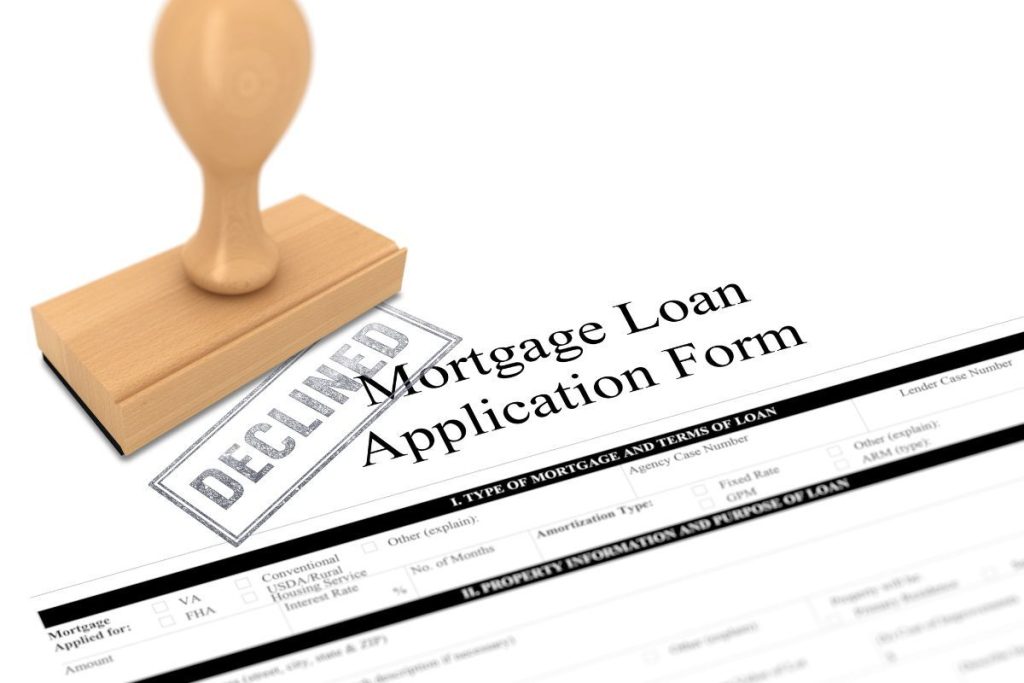
Why do home loans get declined? Usually because income does not stretch far enough once the assessment buffer is applied, or because something on the credit file was not disclosed. Lender policy varies widely, so a decline with one lender is frequently an approval with another.
Fixed Vs Variable Home Loan In Australia – Which Wins In 2026?

The fixed vs variable home loan choice comes down to what you value. Fixed protects your repayment from further increases but limits extra repayments and offset access. Variable keeps every feature and benefits from any future cut, but exposes you to more rises. A split takes both.