Latest posts
-
What Is Lenders Mortgage Insurance And Who Does It Protect?

What is lenders mortgage insurance in one sentence? A premium charged to borrowers with less than a twenty percent deposit, which indemnifies the lender against loss on default. It does not protect you, it does not reduce your debt, and it is not the same as mortgage protection insurance.
-
Construction Loan Progress Payments Explained – All 5 Stages

Construction loan progress payments follow the building contract. The builder claims at each completed stage, the lender inspects or values, and funds are released directly to the builder. Interest accrues only on drawn amounts, and the loan converts to principal and interest at completion.
-
Construction Loan Vs Home Loan Difference – What Changes
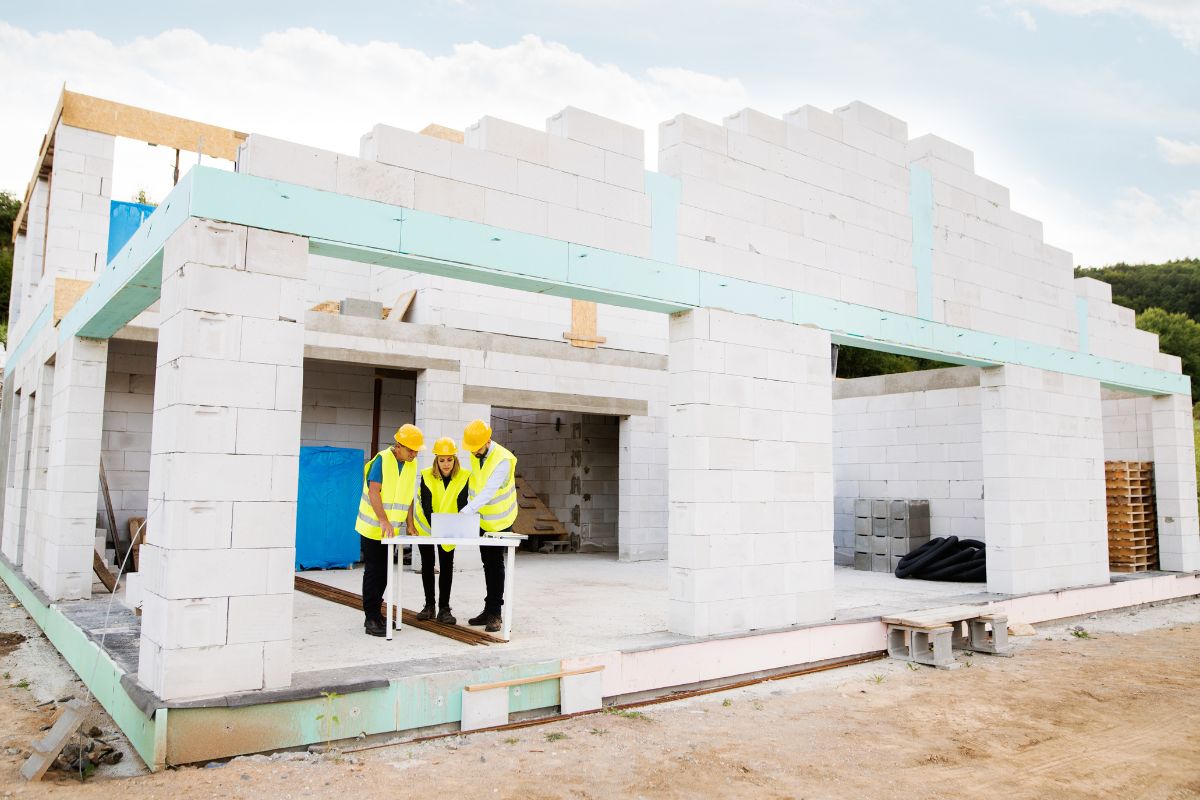
The construction loan vs home loan difference is that a construction facility releases funds progressively against completed building stages, charges interest only on the drawn balance, and requires a fixed price contract. On practical completion it converts to a standard principal and interest home loan.
-
Knockdown Rebuild Cost Sydney – 2026 Breakdown And Finance
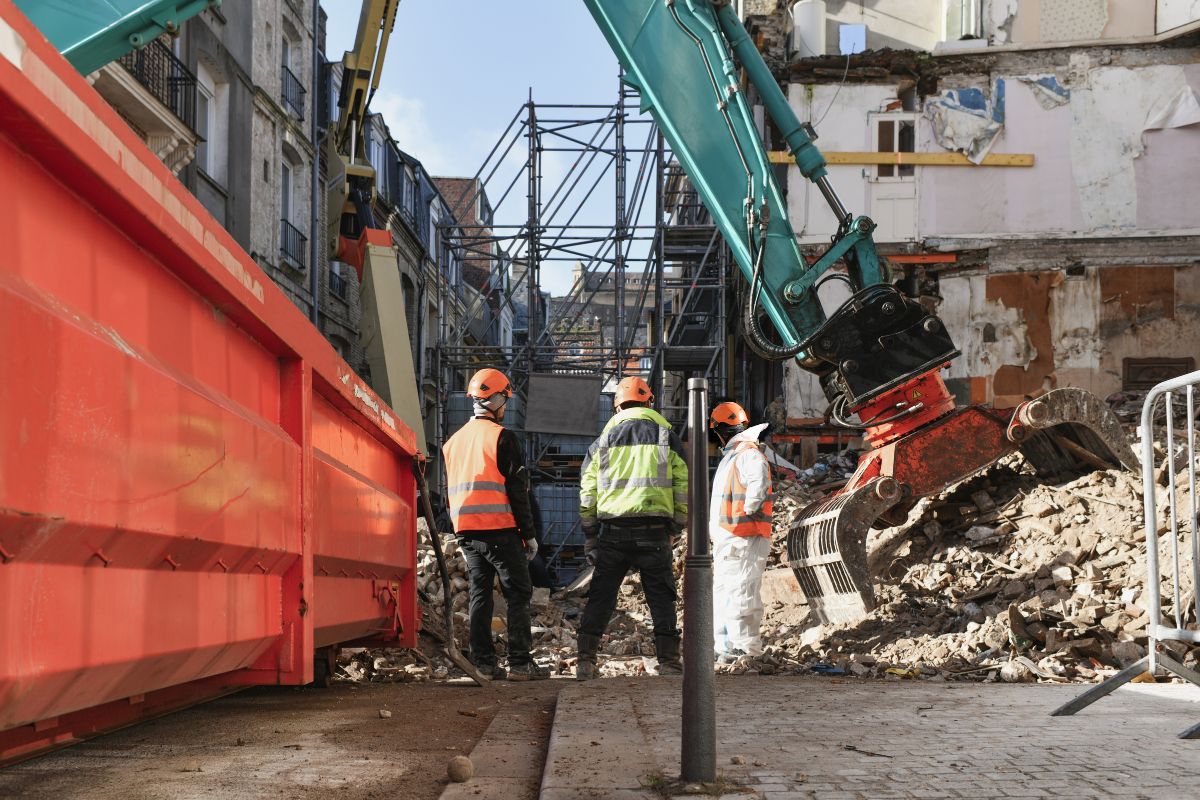
The knockdown rebuild cost Sydney owners should budget for combines demolition, approvals, site works and construction. Construction dominates at roughly $2,270 to $4,880 per square metre. Because you already own the land, you avoid stamp duty and agent fees that a move would trigger.
-
Self Employed Home Loan Without Payslips – What Lenders Accept

To obtain a self employed home loan without payslips, lenders substitute tax returns, notices of assessment, business financials and BAS lodgements. Full doc applications use two years of returns. Alt doc applications use accountant declarations or bank statements where returns are not yet available.
-
Can SMSF Borrow To Buy Property In Australia? 2026 Guide

Can SMSF borrow to buy property? Yes, using a limited recourse borrowing arrangement where a separate bare trust holds the title until the loan is repaid. The fund needs sufficient balance, a compliant deed, a genuine liquidity buffer and a property that satisfies the sole purpose test.
-
Limited Recourse Borrowing Arrangement Explained For Trustees

A limited recourse borrowing arrangement explained for trustees works like this. The SMSF borrows and pays the deposit. A bare trust holds legal title to the property. The fund receives all rent and makes all repayments. On repayment, title transfers to the fund.
-
SMSF Loan Deposit Requirement In Australia – 2026 Figures

The smsf loan deposit requirement is usually twenty to thirty per cent, reflecting loan to value caps of seventy to eighty per cent on residential and sixty five to seventy five per cent on commercial. Your fund also needs duty, costs and a retained liquidity buffer, all paid from fund cash.
-
Commercial Property Loan Interest Rate Calculation Explained

Commercial property loan interest rate calculation begins with the lender’s cost of funds, then adds margins for loan to value ratio, property type, lease quality, borrower strength and loan size. The result is quoted per deal rather than published, which is why comparison requires several submissions.
-
Unsecured Vs Secured Business Loan – The Real Cost Gap

The unsecured vs secured business loan choice comes down to term. Unsecured lending is fast, requires no property, and prices materially higher. Secured lending takes weeks, requires property or business assets, and prices far lower. Short need means unsecured. Long need means secured.